How to choose a CBRN filtration system for a shelter
Types of CBRN (NBC) air filtration systems, how they work, their components and the main criteria for choosing a system for a shelter.
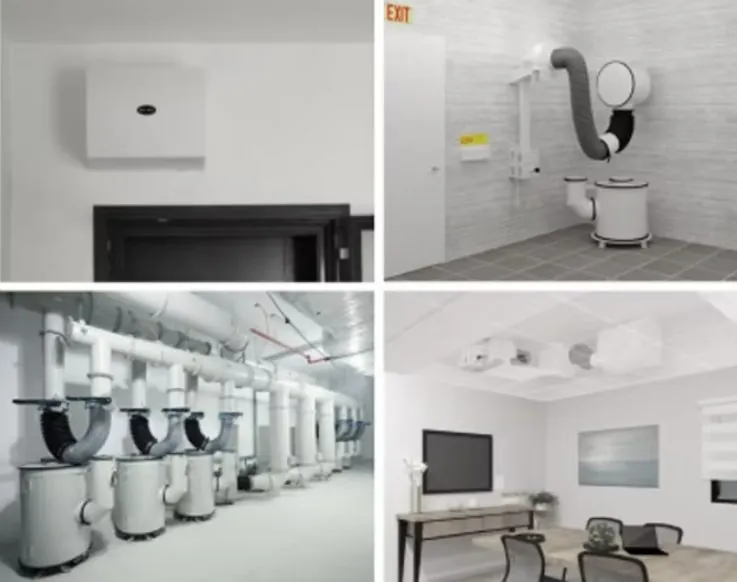
What is a CBRN (NBC) air filtration system?
CBRN air filtration systems are part of the life-support systems usually installed in shelters, bunkers and protected sites. They filter incoming air that may be contaminated with nuclear, biological and chemical particles and substances. The systems are designed around specific threats — from warfare and terrorist attacks to industrial accidents, radiation or dust.
Types of CBRN filtration systems
- For fixed shelters and protective structures
- For mobile platforms (vehicles)
- For deployable field facilities (tents, camps)
These categories differ in air flow, size, power supply (AC/DC), vibration resistance, environmental conditions and more.
Abbreviations
- NBC / CBRN / ABC – abbreviations with the same meaning (nuclear, chemical, biological threats)
- TFA – toxic-free area, a clean protected zone
- Overpressure – a positive pressure difference inside the shelter relative to the surroundings
Why do you need an NBC filtration system?
NBC filtration systems supply clean air for people and equipment and create a toxic-free area (TFA). A constant supply of fresh air prevents carbon dioxide (CO₂) from building up and maintains overpressure, which stops contaminated air from getting in.
Main types of shelter
- Simple short-term shelters – usually without an air supply system
- Long-term shelters – with a ventilation (fresh air) system but no NBC protection
- NBC shelters – sealed, with an NBC filtration system
- Isolated shelters – with air regeneration systems (CO₂ scrubbers, O₂ supply and more)
NBC shelters can often work in both filtration and isolation mode.
How filtration systems work
"Pull" system – a fan draws air inside. Layout: pre-filter → NBC filter → fan → TFA.
Advantage – lower risk of unfiltered air entering the shelter. The filter should be kept in a separate room because of possible radiation.
"Push" system – more common in mobile facilities. Layout: fan → pre-filter → NBC filter → TFA.
Advantage – the filters sit outside, making them easier to replace and decontaminate.
Components of an NBC filtration system
- Blast valves – protect the system from the blast wave
- Pre-filters – protect the HEPA filter from clogging
- Ducts – separate paths for dirty and clean air
- Gas-tight shut-off valves (GSV) and air flow regulators
- NBC filters – HEPA + activated carbon (dual filter)
- Fans – high pressure to overcome system resistance
- Overpressure valves – regulate the pressure inside
How to choose a filtration system?
Questions to answer before choosing a system:
- How many people will be in the shelter?
- How big is the TFA zone?
- What are the specific threats?
- Is a manual backup needed, or is there a generator?
Main criteria
- Air requirement per person: 3–6 m³/h for civil defence, 17+ m³/h for military use
- Shelter size – air changes per hour (ACH) are calculated, usually 1–2 ACH
- Local standards – some countries have specific requirements (Finland, Switzerland, Israel, Singapore, Ukraine)
Maintenance recommendations
- Check filter weight – if it has increased, the filter may be damaged or have absorbed moisture
- Monitor the condition of rubber gaskets (EPDM) and flexible hoses
- Carry out visual and mechanical checks according to the manufacturer's schedule
Equipment most commonly used in shelter projects
- NBC filtration and ventilation systems
- Blast valves for every air opening
- Gas-tight shut-off valves (GSV)
- Modular cable transit systems (MCT)
- Blast doors and windows
- Airlock systems
- Overpressure gauges
- CO₂ scrubbers if a long isolation period is planned
- Decontamination showers (if entry / exit through a contaminated zone is planned)
- Accessories: toilets, beds, water tanks, communication equipment, batteries and more
Related products
Other articles
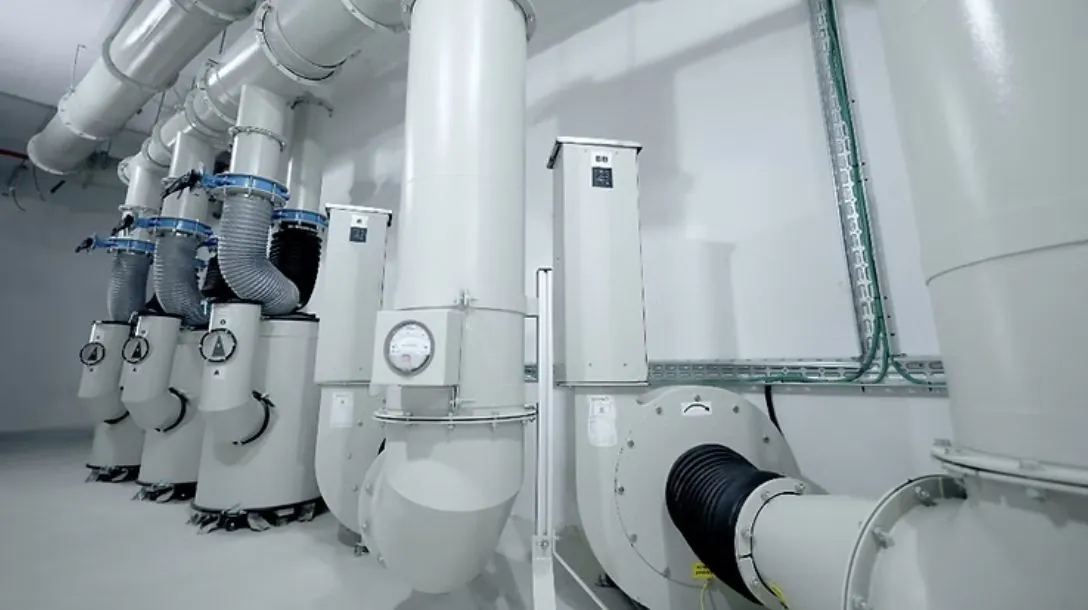
Equipment needed for a CBRN shelter
What a CBRN shelter is, how sealed and self-contained shelters differ, and what equipment each type needs.
Read →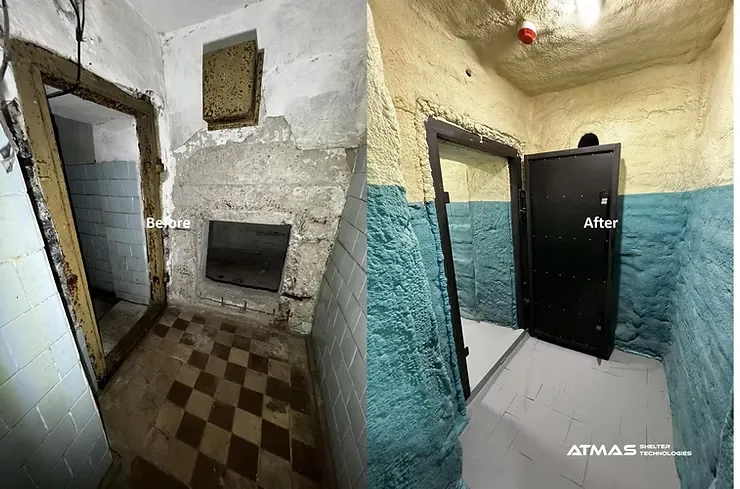
Inspection and recommendations for renovating and modernising old shelters and bunkers
How a technical inspection of a shelter is carried out, what the report covers and which renovation solutions are most common.
Read →Let's talk about your protection
We reply within one working day. Tell us what you want to protect — we will help you choose a solution.