CBRN / NBC filtration systems for shelters and bunkers
We offer a wide range of standard and adaptable CBRN (chemical, biological, radiological and nuclear) air filtration and emergency ventilation systems, also known as NBC systems, for civil defence shelters, safe rooms, bunkers, container shelters and other protected sites.
The systems filter incoming outdoor air and keep the protected room under overpressure, so contaminated air cannot get in through gaps or leaks. We adapt the system configuration to the required air flow, number of occupants, installation location and the project's protection requirements.
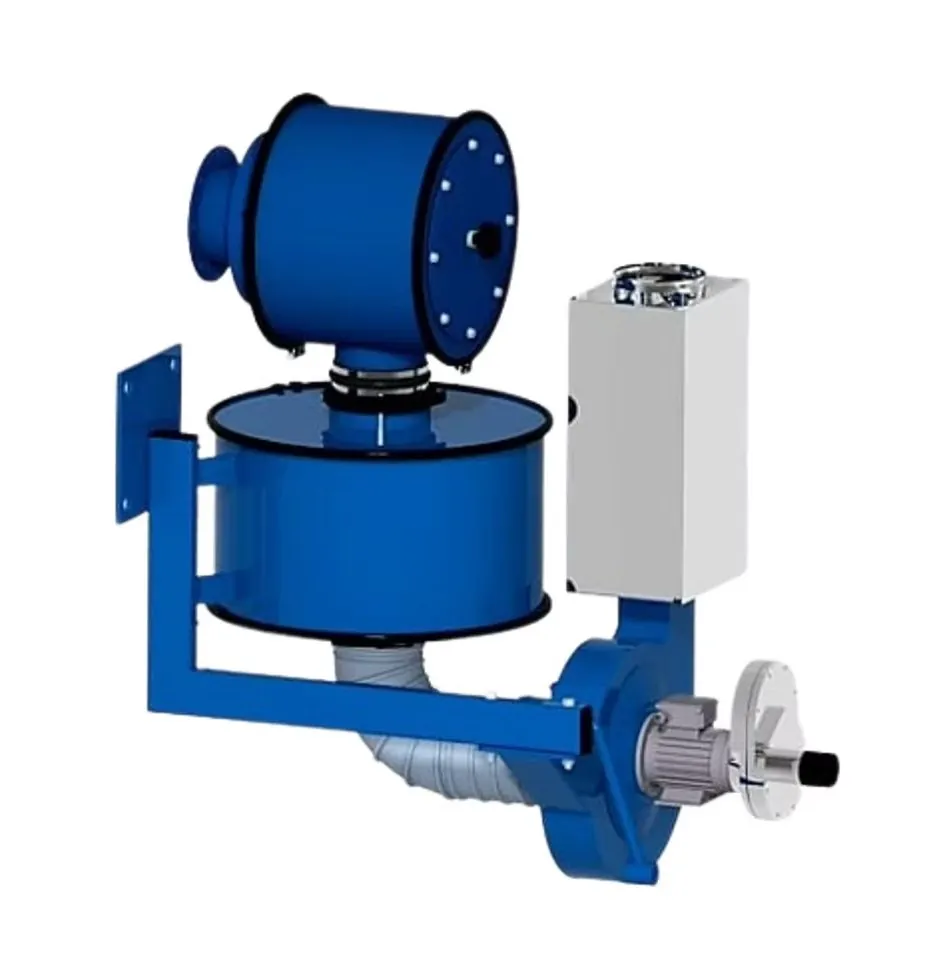
CBRN / NBC filtration and emergency ventilation systems
From 36 m³/h to more than 1800 m³/h, with custom solutions for larger flows.
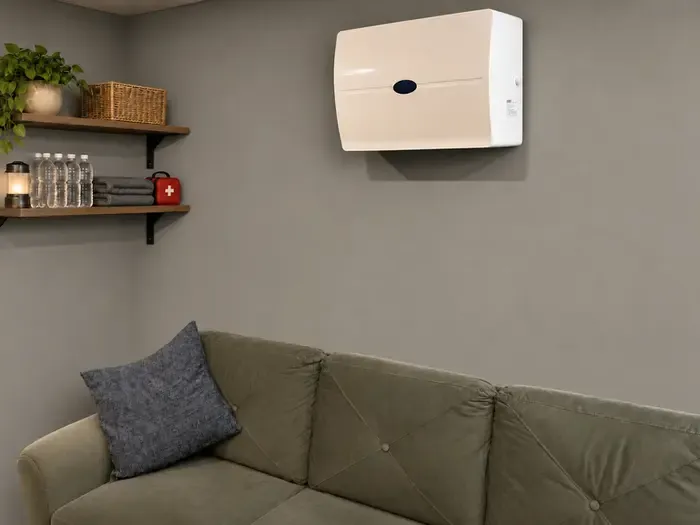
SAFE 360 — CBRN / NBC filtration system
SAFE 360 is a modern, cost-effective CBRN / NBC filtration and emergency ventilation system for residential shelters, small bunkers and safe rooms.
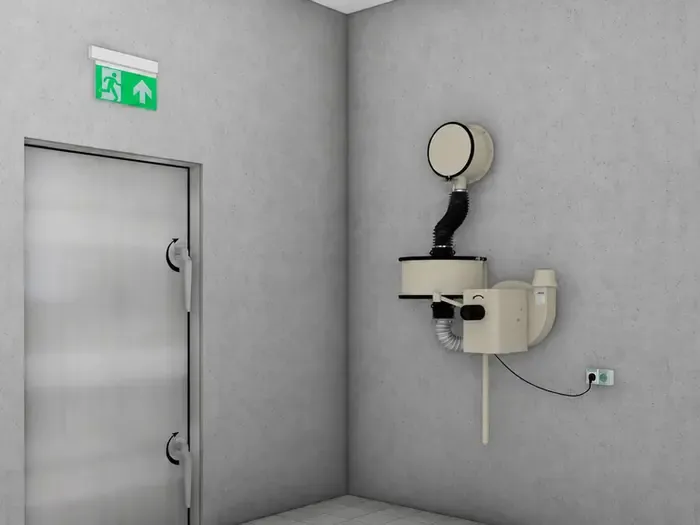
ARC 50 — CBRN / NBC filtration system
ARC 50 is a modern, compact CBRN / NBC filtration and emergency ventilation system for shelters, bunkers and protected sites.
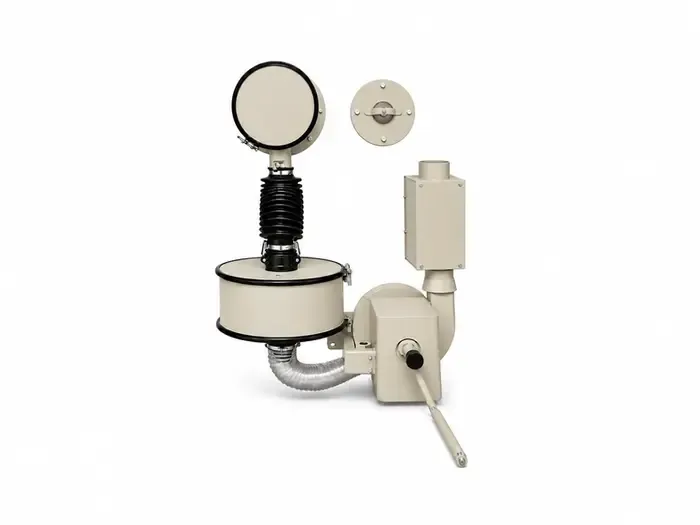
ARC 100 — CBRN / NBC filtration system (new)
ARC 100 is a modern, compact CBRN / NBC filtration and emergency ventilation system for shelters, bunkers and protected sites. Available for pre-order.
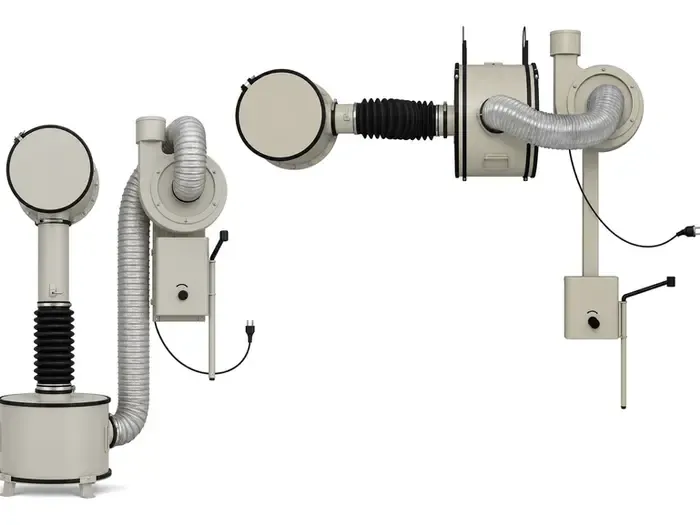
ARC 180 — CBRN / NBC filtration system
ARC 180 — a modern CBRN / NBC filtration and emergency ventilation system for shelters, bunkers and protected sites.
ARC 240 — CBRN / NBC filtration system
ARC 240 — a modern CBRN / NBC filtration and emergency ventilation system for shelters, bunkers and protected sites.
ARC 300 — CBRN / NBC filtration system
ARC 300 — a modern CBRN / NBC filtration and emergency ventilation system for shelters, bunkers and protected sites.
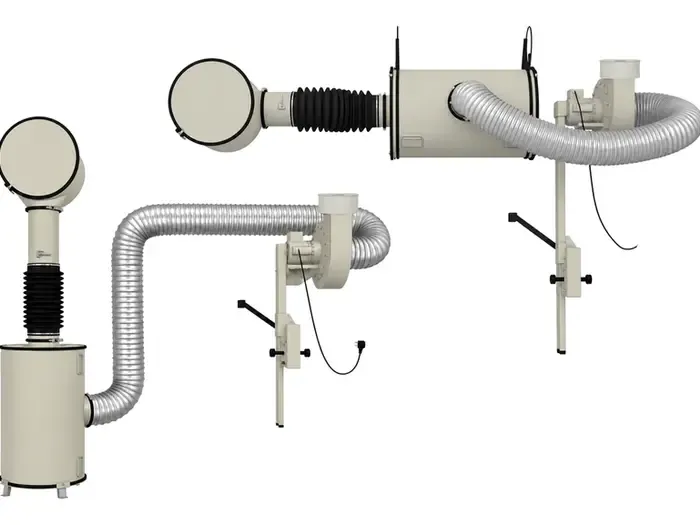
ARC 450 — CBRN / NBC filtration system
ARC 450 — a modern CBRN / NBC filtration and emergency ventilation system for shelters, bunkers and protected sites.
ARC 600 — CBRN / NBC filtration system
ARC 600 — a modern CBRN / NBC filtration and emergency ventilation system for shelters, bunkers and protected sites.
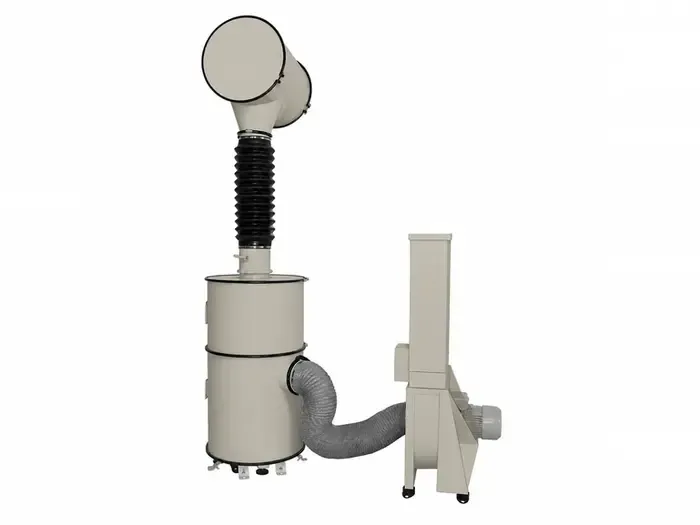
ARC 900 — CBRN / NBC filtration system
ARC 900 — a modern CBRN / NBC filtration and emergency ventilation system for shelters, bunkers and protected sites.
ARC 1200 — CBRN / NBC filtration system
ARC 1200 — a modern CBRN / NBC filtration and emergency ventilation system for shelters, bunkers and protected sites.
ARC 1800 — CBRN / NBC filtration system
ARC 1800 — a modern CBRN / NBC filtration and emergency ventilation system for shelters, bunkers and protected sites.
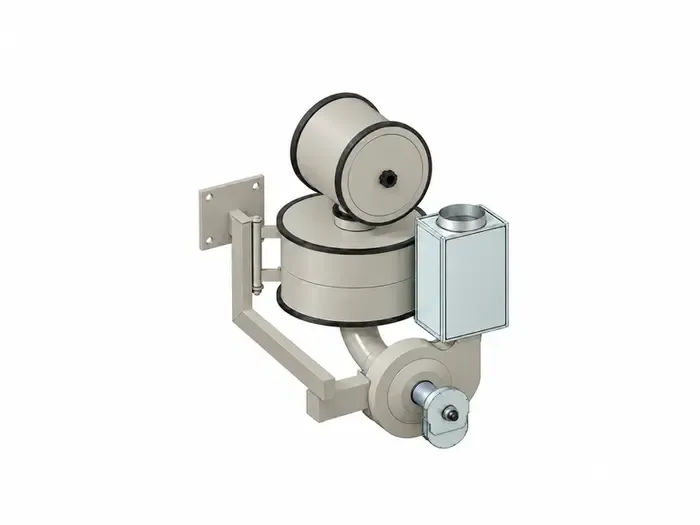
IVL-1 — CBRN / NBC filtration system
ARC IVL-1 is a modern CBRN / NBC filtration and emergency ventilation system that meets Finnish shelter requirements.
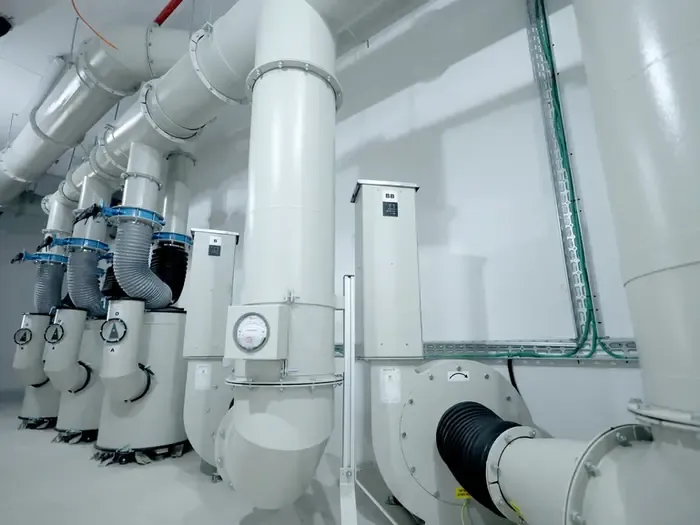
CBRN / NBC filter banks
Scalable filter banks (filter blocks) for large shelters and bunkers or those with special requirements — up to 18,000 m³/h per block.
How to choose a CBRN filtration system
Why reliability matters
Unlike most products, a CBRN air filtration system may stand unused for years — even decades — yet must work flawlessly the moment it is switched on. Radioactive fallout, chemicals, biological contaminants, smoke from fires or industrial toxins — the system must supply clean air to a sealed room with no margin for error.
The systems we supply are made by a global leader in CBRN filtration that produces more than 10,000 systems and filters a year. The products are regularly audited by government authorities and independent parties and are certified and tested every year.
Step 1: determine the required air flow
Air flow per person. Multiply the number of occupants by the required flow per person. 3–6 m³/h per person is most commonly recommended, and 6 m³/h for civil defence and private shelters (especially in warm climates). Military shelters may need up to 17 m³/h per person. Example: 50 people × 6 m³/h = 300 m³/h.
Air changes per hour (ACH). Multiply the shelter volume by the desired air change rate. 2–6 ACH is recommended for private use, with a minimum of 1 ACH. Example: 200 m³ × 2 ACH = 400 m³/h.
Compensating for leaks and extraction. To maintain overpressure (usually 100–250 Pa), allow for leaks and extracted air (toilets, kitchens, airlocks). A pressure test before installation is advisable; if no data is available, add a 25% margin. Example: 440 m³/h + 25% = 550 m³/h.
Airlocks and other clean-air consumers. Purging an airlock can sometimes take as many as 50 air changes per hour. Generators and other equipment in the protected zone may also consume air or oxygen.
Step 2: choose the system
Take the highest of the three calculations — 550 m³/h in the example — and choose the next larger system, e.g. ARC 600 (600 m³/h).
Always leave a margin: over time, leaks may increase due to ageing seals, structural movement or external damage (especially after blasts or long periods of disuse). A manual backup is essential so that the system keeps working during a power cut.
We recommend contacting us — we will help you choose the right system for your shelter.
Have a project?
Tell us about the site, the openings or the protection level you need — we will suggest the right solution.
Compliance with STR 2.07.02:2024
Lithuania's STR 2.07.02:2024 requires blast shelters (slėptuvės) to filter air with certified filters and keep the protected rooms under overpressure, while in shelters (priedangos) protection against harmful substances is installed at the client's request. We select ventilation, filtration and valve solutions according to the type of facility and the project.
Let's talk about your protection
We reply within one working day. Tell us what you want to protect — we will help you choose a solution.