Passive antennas for shelters and protected sites
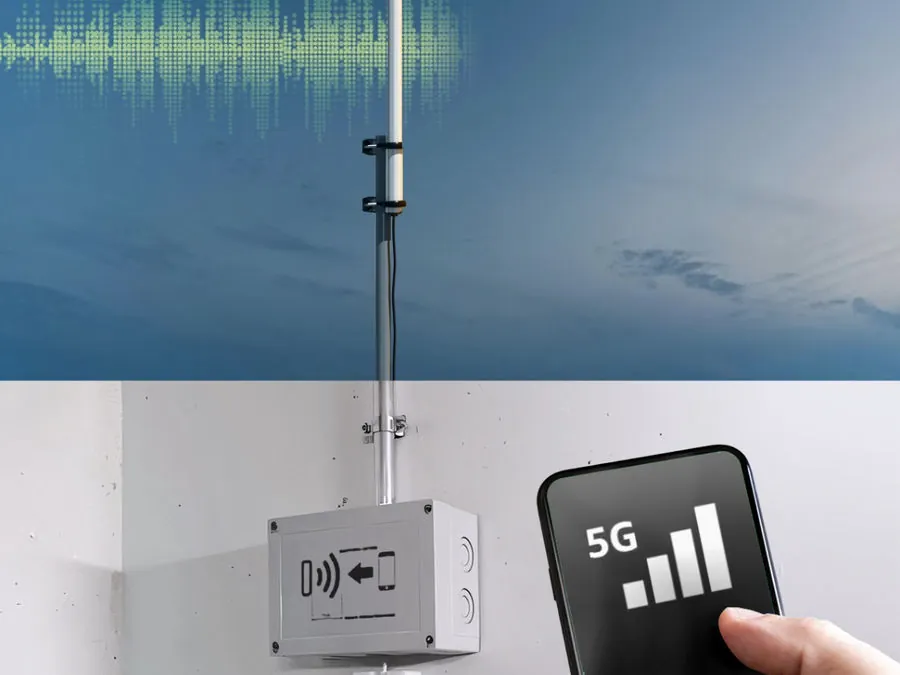
The UPTP passive shelter antenna (repeater) is a rugged, tested device designed to maintain emergency communication with the outside world from civil defence shelters, underground or hardened facilities and other places where signals struggle to pass through walls, metal structures or soil.
The antenna receives and relays radio and mobile signals from outside into the shelter and back without any power source.
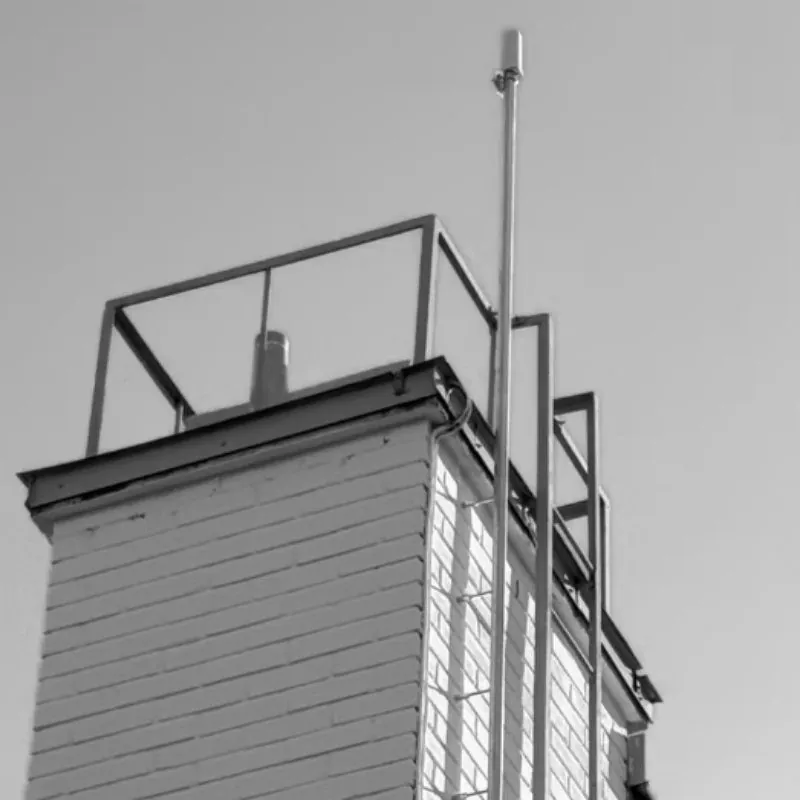
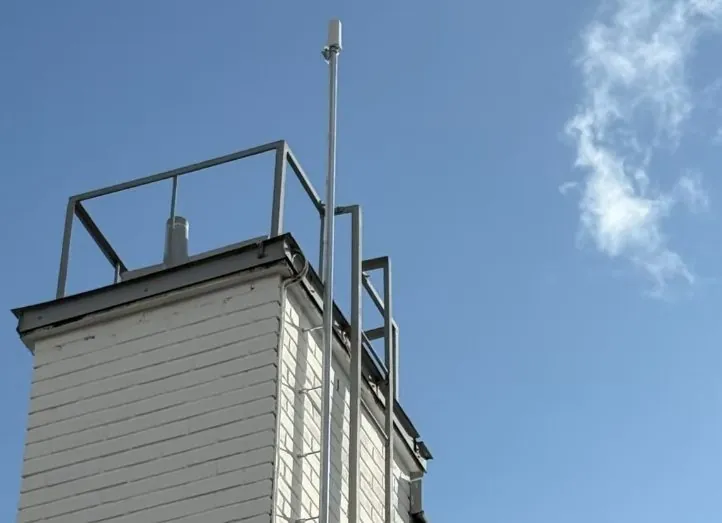
Antenna for shelters developed and approved in Finland
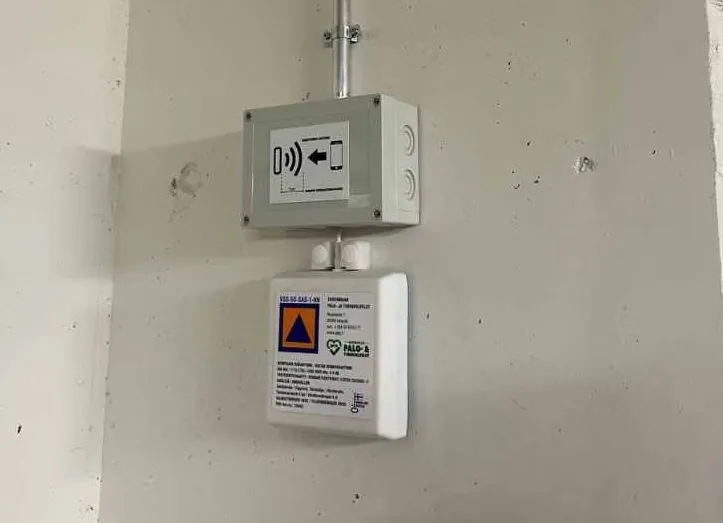
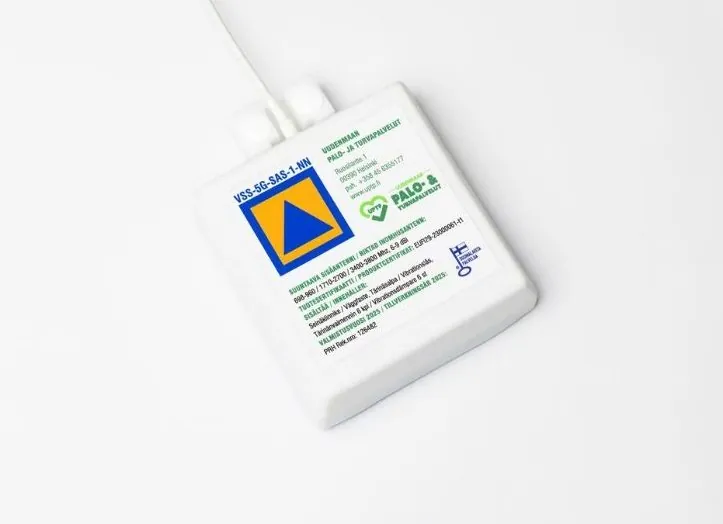
Key features
- Energy-independent — needs no electricity and works without the power grid.
- Passed a range of tests and certified for civil defence shelters in Finland.
- Keeps you in contact with rescue services so you can send distress messages and receive instructions.

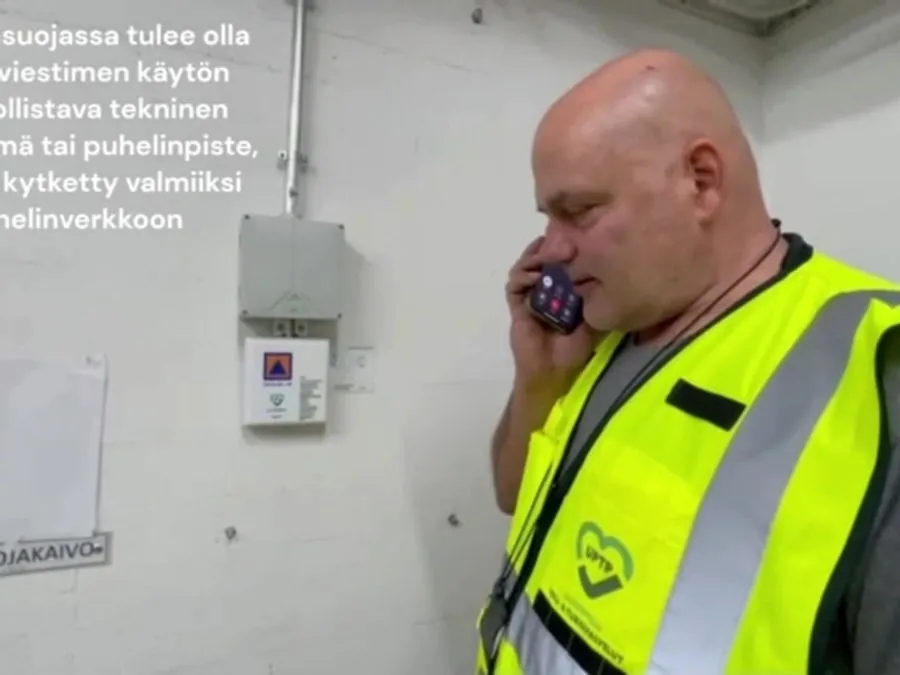
Testing
The devices have been tested in various ways, for example with a vibration test that simulates the vibration of an outdoor explosion transmitted through the shelter's concrete structures to the equipment mounted on them (ventilation, repeaters).
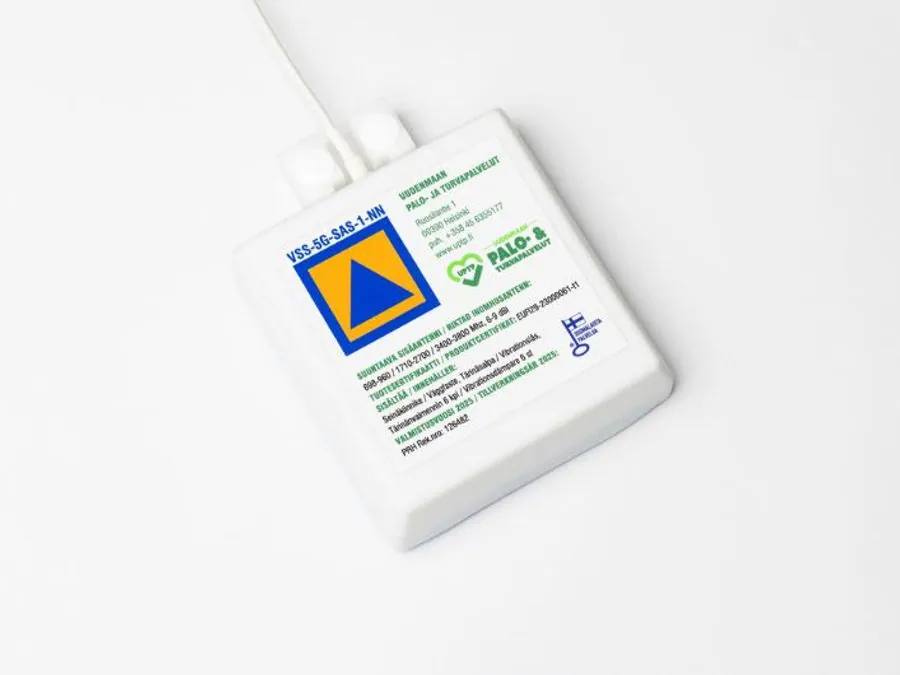
The indoor part of the antenna was tested by Uusimaa Fire and Security Services Oy with Eurofins Expert Service against the requirements of section 5 of Finnish Government Decree 409/2011 (max. vibration velocity 1.5 m/s, max. acceleration 300 m/s²).
Installation
Before ordering, make sure that
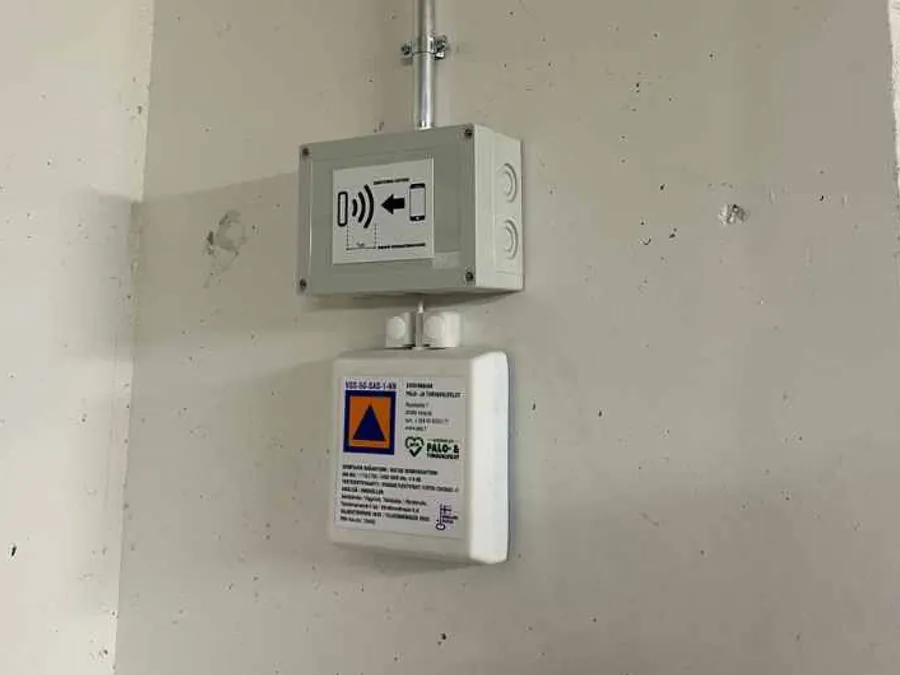
- the indoor antenna and its bracket can be fixed so that they withstand vibration loads;
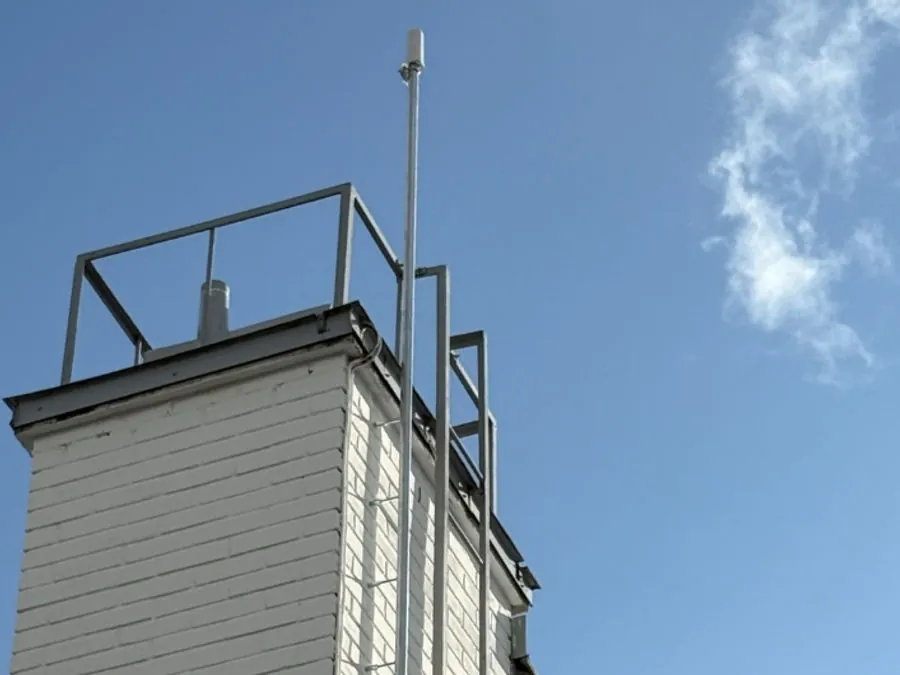
- the outdoor antenna will be installed at least 5 m above ground;
- indoors, the cable runs in a metal conduit fixed with rated fasteners so that it does not come loose during an outdoor blast;
- outdoors, cables run in a sturdy conduit fixed to the wall with certified fasteners;
- the system works without external power (mains or batteries);
- the antenna works while the shelter is closed, i.e. with doors, hatches and dampers shut.
Installation method
The antenna connectors are reliably weatherproofed with self-amalgamating tape and heat-shrink tubing.
The UPTP outdoor mounting unit blends into its surroundings: the cables and outdoor antenna sit inside the mounting tube, which can be painted in the façade colour on request.
Why it matters
A passive repeater keeps communication working in the shelter even in peacetime. It maintains contact with people outside and lets occupants receive essential instructions from the authorities, which is why civil defence shelters are recommended to have one. Only purpose-built, tested devices should be installed in such life-saving facilities.
Have a project?
Tell us about the site, the openings or the protection level you need — we will suggest the right solution.
Compliance with STR 2.07.02:2024
Lithuania's STR 2.07.02:2024 sets requirements for water supplies, sanitation, power supply and communications — stricter for blast shelters (slėptuvės), partly optional for shelters (priedangos). We select additional equipment to match your project.
Let's talk about your protection
We reply within one working day. Tell us what you want to protect — we will help you choose a solution.