Equipment needed for a CBRN shelter
What a CBRN shelter is, how sealed and self-contained shelters differ, and what equipment each type needs.
Definition of a CBRN shelter
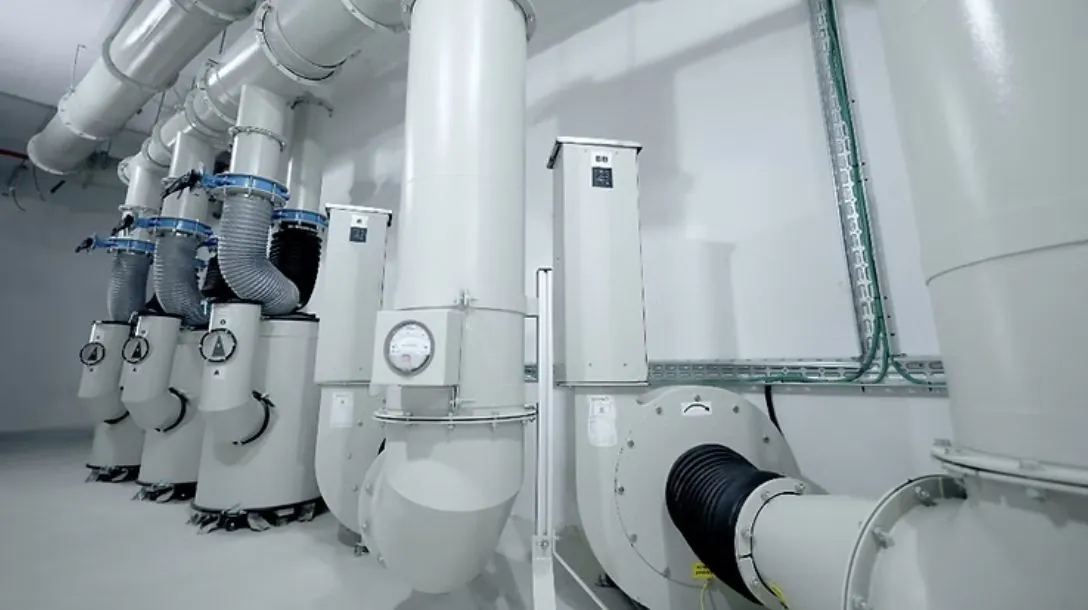
A CBRN shelter is a structure or chamber designed to protect people and equipment from chemical, biological, radiological and nuclear (CBRN) airborne contaminants. It must be sealed, with integrated systems that provide a safe, toxic-free area (TFA).
Important: CBRN shelters may have additional layers of protection (against blasts, bullets, EMP, fire), but these layers do not have to be part of the CBRN perimeter (for example, the generator room is often built separately).
Main types of CBRN shelter
- Sealed shelters with an external air supply
- Self-contained shelters (isolated from the outside environment)
Type 1: sealed shelters with an external air supply
The most common option. Equipment needed:
- CBRN air filtration system. Filters dust and CBRN contaminants from the air and maintains overpressure. Selected according to the number of occupants, room volume and air flow.
- Overpressure valve. Controls the release of air from the shelter to maintain a safe pressure. Also used in toilets and kitchens to stop odours spreading.
- Gas-tight doors and hatches. Keep contaminants out; they usually have chemical-resistant gaskets.
- Gas-tight cable transits. Allow cables and hoses to enter the shelter safely; some models also protect against blasts.
- Pressure gauges. Show the pressure difference between zones, helping to maintain safe pressure and keep contaminated air out.
Type 2: self-contained (isolated) shelters
Used at strategic sites or where safe outside air may not be available in a crisis (fires, floods, elevated CO and so on). Equipment needed:
- CO₂ removal system (scrubber). Removes exhaled carbon dioxide. Can be automatic or manual, with special filters.
- Oxygen supply system. Supplies O₂ from cylinders or by chemical reaction (oxygen candles). Usually with O₂ sensors.
- Pressure maintenance system. Maintains overpressure by releasing compressed or filtered air. No additional valves are needed.
- Gas detection and monitoring system. Monitors O₂, CO₂ and CO levels. Helps keep the environment safe, warns of danger and lets you act in time.
Related products
Other articles
How to choose a CBRN filtration system for a shelter
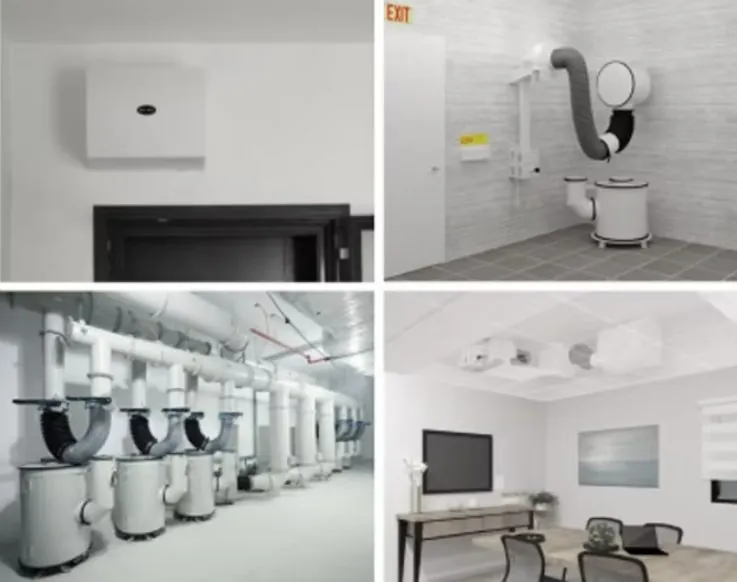
Types of CBRN (NBC) air filtration systems, how they work, their components and the main criteria for choosing a system for a shelter.
Read →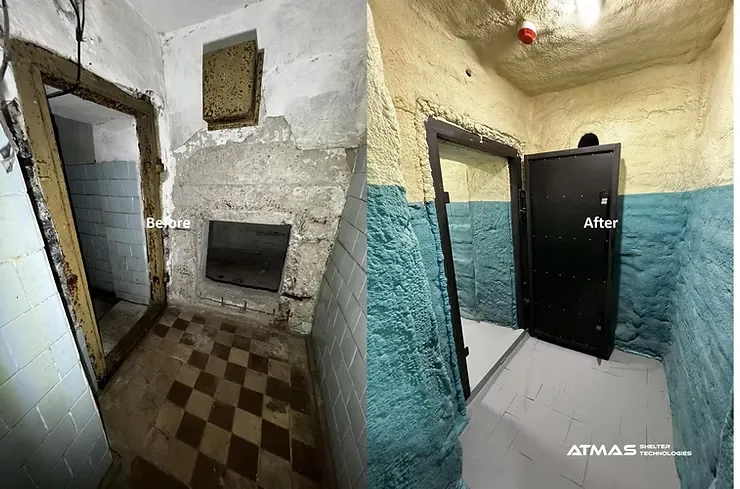
Inspection and recommendations for renovating and modernising old shelters and bunkers
How a technical inspection of a shelter is carried out, what the report covers and which renovation solutions are most common.
Read →Let's talk about your protection
We reply within one working day. Tell us what you want to protect — we will help you choose a solution.